
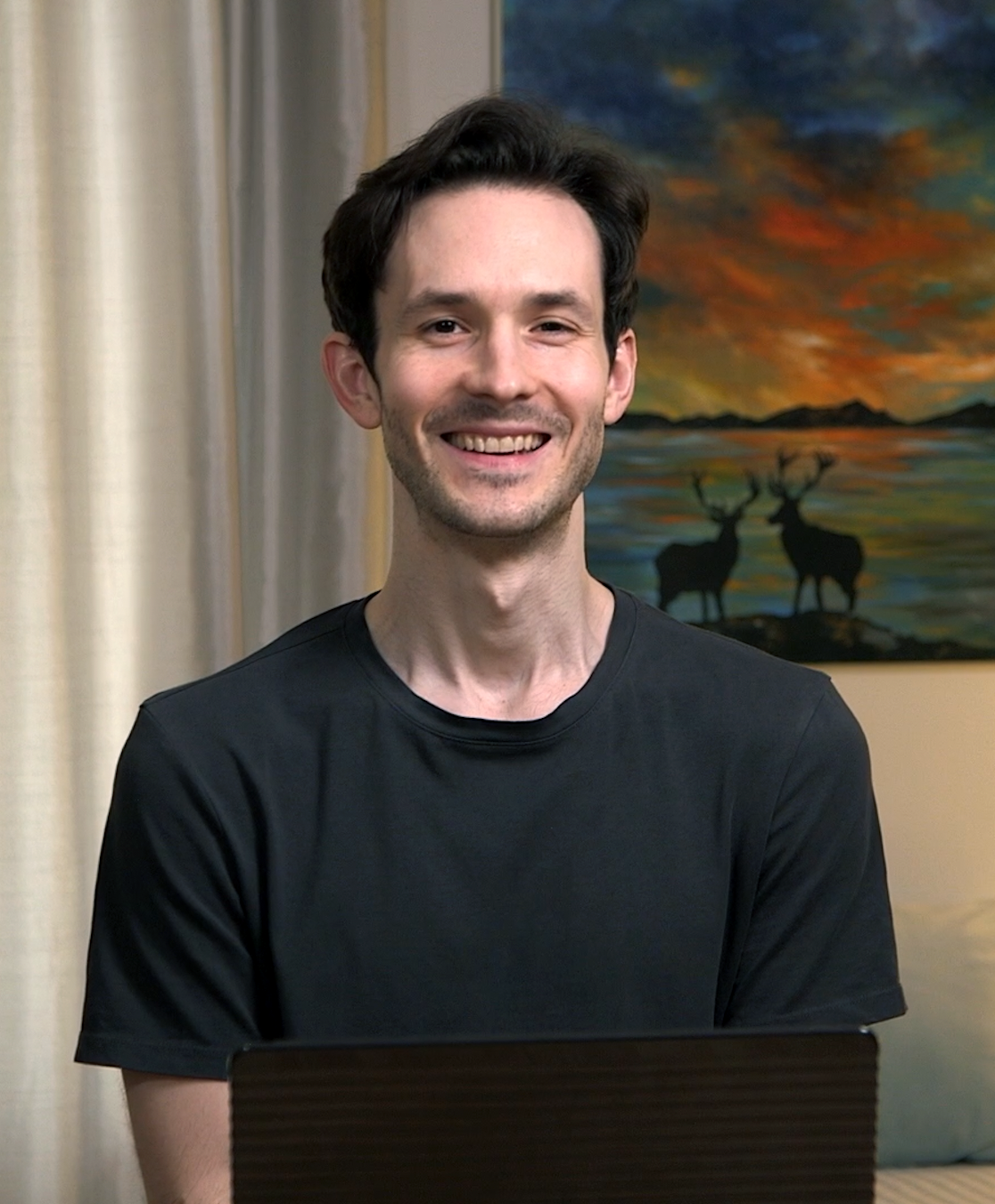
Who I Work With
The people I work with are often at a point where something is asking more of them — and they are asking more of themselves — but they’re not quite sure how to bridge the gap.
Many are already highly capable, but find themselves caught in patterns of overthinking, self-doubt or unhelpful responses to pressure.
They're often looking not simply to achieve more, but to show up more consistently, communicate more clearly, or reconnect with the reason they started in the first place.
They might be performers, creatives, experts, leaders or purpose-led organisations. What connects them isn't their profession, but their willingness to be curious, to look honestly at themselves and to grow.
Ways We Can Work Together
1:1 Performance Coaching
Online or in person walk and talk sessions
Performance coaching is about the person behind the performance. We look at things like presence, self-doubt, nerves, pressure, mindset and the things that can get in the way of performing at your best. The focus is on helping you understand yourself and make changes that work for you.
1:1 Camera Confidence Training
Online or in person
Camera confidence training is more practical and skills-based. It's about helping you communicate clearly and authentically when you're speaking to camera. We work on things like how you deliver what you want to say and how you come across on camera. Whilst the focus is on presence and audience connection, we can also optionally cover how to film yourself using lights, mics, and things to consider during the editing stage.
Presence Training for Organisations
Practical workshops and training covering presence, resilience and confidence.
How does it work?
-
1. Get in touch
Get in touch via my contact form and answer a few short questions to start the ball rolling.
-
2. Consultation
We’ll meet on a complementary 20-minute call to see if we’re a good fit to work together. I can also answer any questions you might have about the process.
-
3. Coaching begins
If we decide to work with each other, we’ll meet either online or in person for coaching sessions.
FAQs
-
For me, coaching is a space to pause, reflect and better understand yourself, your relationships with others and your goals. From there, we can begin to see new possibilities, respond more intentionally to challenge, and develop the confidence and resilience to do our best work - without losing ourselves in the process.
-
Rather than offering advice or telling you what to do, my role is to create a supportive, thoughtful and non-judgemental space where you can reflect, explore what's getting in your way, and find a way forward that feels right for you.
We'll work together, but you remain in the driving seat. Lasting change rarely comes from someone else having the answers; it comes from developing a deeper understanding of ourselves and putting that understanding into practice between sessions.
Everyone is different, so our work together will be tailored to you. Alongside coaching conversations, I may draw on different approaches where helpful, including breathing practices and mind-body techniques.
Coaching can be incredibly rewarding, but it isn't always easy. Looking honestly at ourselves can feel uncomfortable, and change often asks something of us. We'll work at a pace that feels right for you, creating enough challenge to encourage growth while making sure you feel supported throughout the process.
I'll keep confidential notes after each session to help guide our work together, and I encourage you to keep your own reflections too. Often it's what happens between sessions that leads to the most meaningful change.
-
There are some natural crossovers between coaching and therapy, and both can offer valuable space for reflection and growth. However, they have different focuses.
Therapy (working with a counsellor, psychotherapist or psychologist) can be the right place to heal, process and make sense of difficult experiences, particularly when dealing with psychological distress or mental health challenges.
Coaching is focused on moving towards what matters to you. It creates a space to reflect, explore new perspectives and develop the awareness, confidence and skills to navigate challenges and make meaningful change.
Sometimes people benefit from one, and sometimes from both. Coaching can complement therapy, but it is not a replacement for counselling, psychotherapy or mental health support.
If something comes up during our work together that feels beyond the scope of coaching, we can talk openly about what additional support might be helpful.
-
Whilst training is about developing a specific skill or skills, coaching is usually more about the person behind the skills.
In performance coaching, we explore what might be getting in the way of you performing at your best - things like confidence, self-doubt, pressure, nerves or feeling stuck. It’s a collaborative process, with the focus on helping you find your own ways forward, rather than me giving advice.
Training is more practical and skills-focused. For example, my camera confidence training helps you develop the skills to communicate clearly, confidently and authentically on camera. I’ll teach, suggest exercises and provide feedback as you practice.
There’s naturally some overlap - but they are two distinct services.
-
Yes. Confidentiality is an important part of creating a space where you can speak openly and honestly.
Anything we discuss in our sessions will remain private, with the exception of rare circumstances where I have a legal or ethical responsibility to share information. For example, if I believe there is a serious risk of harm to you or someone else, or if I am legally required to do so.
If this situation ever arose, I would always aim to discuss it with you wherever possible.